Skip to content

Effective Home Workouts For Busy Individuals: Fitness Advice

Although we might aim to get ourselves to the gym everyday, finding the time can be challenging. Whether it’s juggling work, family, or other daily tasks, it often feels like there aren’t enough hours in the day. However, there are ways to stay fit and healthy, even on those days where you don’t think you have time. With the right strategies, in addition to a bit of motivation, you can achieve your daily exercise goals without having to leave your house! Let’s delve into some effective home workouts…

home-workouts

HIIT Home Workouts

HIIT is a popular workout method that involves short bursts of intense exercise followed by brief periods of rest. As a result, it’s highly effective for burning calories, improving cardiovascular health, and building muscle. Therefore, it’s a fantastic all-rounder!

Sample HIIT Home Workout:

  • Jumping Jacks – 30 seconds
  • Rest – 15 seconds
  • Push-ups – 30 seconds
  • Rest – 15 seconds
  • Squats – 30 seconds
  • Rest – 15 seconds
  • Burpees – 30 seconds
  • Rest – 15 seconds

Repeat this circuit 3-4 times, depending on your fitness level.

Bodyweight exercises

Bodyweight exercises are great because they require no equipment and can be done anywhere. They are especially useful for building strength and endurance.

Bodyweight Home Workouts:

  • Push-ups: Target your chest, shoulders, and triceps.
  • Squats: Great for your thighs, hips, and buttocks.
  • Lunges: Excellent for strengthening legs and improving balance.
  • Planks: Effective for core strength and stability.

Yoga

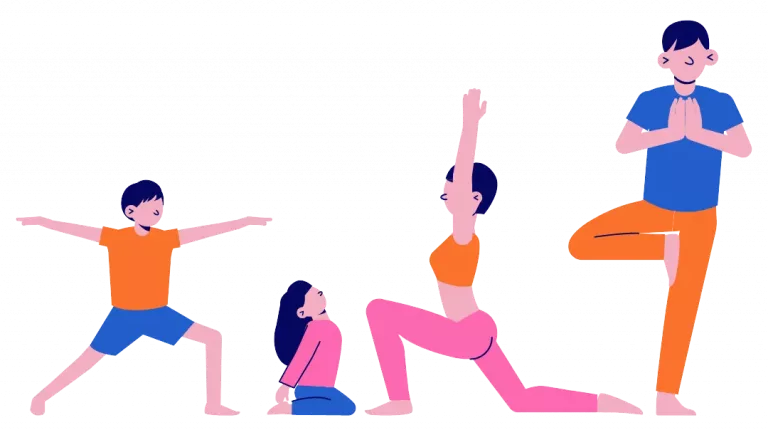
Yoga not only enhances flexibility and balance but also reduces stress. It’s a workout that benefits both the body and mind.

Simple Yoga Routine:

  • Child’s Pose: 1 minute
  • Downward Dog: 1 minute
  • Warrior II: 1 minute on each side
  • Tree Pose: 1 minute on each side
  • Seated Forward Bend: 1 minute

Incorporate a few deep breaths in each pose. Subsequently, you’ll notice maximised relaxation and focus.

Resistance Band Workouts

Resistance bands are affordable, portable, and perfect for strength training. They provide continuous tension on the muscles, therefore enhancing the workout’s effectiveness.

Resistance Band Home Workouts:

  • Bicep Curls: 3 sets of 12 reps
  • Tricep Extensions: 3 sets of 12 reps
  • Band Squats: 3 sets of 15 reps
  • Lateral Band Walks: 3 sets of 10 steps each direction

5. Cardio Workouts

Cardio exercises are crucial for heart health, in addition to calorie burning. Moreover, they can easily be integrated into your home workout routine.

Cardio Home Workouts:

  • Jump Rope: 5-10 minutes
  • Stair Climbing: 10-15 minutes
  • Dancing: 15-20 minutes of your favourite music

Online Resources

The internet is full of workout routines, videos, and fitness challenges. For example, platforms like YouTube, fitness apps, and social media are filled with home workout guides led by professional trainers.

Recommended Resources:

  • YouTube Channels: Fitness Blender, Blogilates, Yoga with Adriene
  • Fitness Apps: Nike Training Club, MyFitnessPal, Seven – 7 Minute Workout

Tips for Staying Motivated

  1. Set Clear Goals: Whether it’s losing weight, gaining muscle, or just staying active, having specific goals can keep you focused.
  2. Create a Schedule: Consistency is key. Dedicate a specific time each day for your workouts.
  3. Track Your Progress: Keep a workout journal or use fitness apps to monitor your improvements.
  4. Join Online Communities: Engaging with others who share your fitness goals can provide encouragement and accountability.
  5. Mix It Up: Avoid boredom by varying your workouts to keep things interesting and challenging.

To summarise, busy schedules don’t have to mean sacrificing your fitness goals. With these effective home workouts, you can certainly stay active and healthy without stepping foot in a gym. Remember, the most important thing is to make fitness a priority and find a routine that works for you. Finally, for more fitness advice, head over to our BLOGS page! Then for more home workouts, click HERE.


Group Fitness Classes: Building A Supportive Community in Shrewsbury

Whether you’re looking to shed a few pounds, build muscle, or simply maintain a healthy lifestyle, motivation and consistency are key. One of the best ways to stay on track and enjoy the process is by joining our group fitness classes in Shrewsbury. These classes offer more than just a workout; they create a supportive community that can enhance your fitness journey in multiple ways.

group-fitness-classes-shrewsbury

Group Fitness Classes

Working out in a group setting provides a unique motivational boost. When you see others pushing their limits, it inspires you to do the same. The energy in the room is contagious, and the collective effort can drive you to perform better than you would on your own. You’ll find yourself lifting heavier, running faster, and pushing through those last few reps because the group’s enthusiasm propels you forward.

Fitness Classes Community

Walking into a gym for the first time can be intimidating, but group fitness classes offer a welcoming environment where everyone is there for the same purpose: to improve their health and well-being. The camaraderie that develops in these classes creates a sense of belonging. Over time, your fellow class members become friends who share in your triumphs and encourage you through challenges. This sense of community can make all the difference in staying committed to your fitness routine.

Professional Guidance

In group fitness classes, you’re guided by experienced instructors who ensure that you perform exercises correctly and safely. This professional oversight is crucial for preventing injuries and maximising the effectiveness of your workout. Instructors also provide modifications for different fitness levels, so whether you’re a beginner or an advanced athlete, you’ll find the right challenge to suit your needs.

Variety & having fun

One of the main reasons people abandon their fitness routines is boredom. Group fitness classes offer a variety of workouts that keep things exciting and fresh. From high-intensity interval training (HIIT) to Legs, Bums and Tums, there’s a class for every interest and fitness level. This variety not only keeps you engaged but also ensures that you’re working different muscle groups and improving your overall fitness.

Keeping Consistent

When you’re part of a group, there’s a sense of accountability that comes with it. Your absence in class is noticed, and your classmates and instructors may check in on you, encouraging you to stay consistent. Knowing that others are expecting you can be a powerful motivator to show up, even on days when you’re feeling less than enthusiastic.

The Benefits

The benefits of group fitness classes extend beyond physical health. Regular exercise is known to reduce stress, anxiety, and depression. The social interaction and support found in group classes enhance these mental health benefits. The shared experience of overcoming physical challenges can boost your confidence and leave you with a sense of accomplishment.

Group fitness classes are more than just a way to work out; they’re a way to become part of a supportive community that motivates, encourages, and uplifts each member. If you’re looking to make fitness a fun and integral part of your life, consider joining a group fitness class at our gym. You’ll not only achieve your fitness goals but also build lasting friendships and enjoy the journey together.

Learn more about our FITNESS CLASSES and click HERE for more fitness advice! For more information on the the benefits of group fitness classes, head over to the ACTIVE website.


Creating a Positive Mindset Towards Exercise

Exercise is often viewed as a chore, something we reluctantly fit into our schedules because we know it’s good for us. However, shifting your perspective and creating a positive mindset towards exercise can transform it from a dreaded task into an enjoyable and rewarding part of your daily routine. Here are some strategies to help you create a positive mindset towards exercise.

create-a-positive-mindset-towards-exercise-a1-leisure-shrewsbury

Understand the benefits beyond weight lost

Many people start exercising with the primary goal of losing weight. While weight loss can be a significant motivator, focusing solely on it can lead to frustration and a negative attitude towards exercise if results are slow or inconsistent. Instead, broaden your perspective to include the multitude of benefits that exercise offers:

  • Mental Health: Exercise is a powerful tool for managing stress, anxiety, and depression. It releases endorphins, the body’s natural mood lifters, and helps clear your mind.
  • Energy Levels: Regular physical activity can boost your energy levels and reduce feelings of fatigue.
  • Improved Sleep: Exercise can help you fall asleep faster and deepen your sleep.
  • Overall Health: Regular exercise reduces the risk of chronic diseases such as heart disease, diabetes, and certain cancers.

Set Realistic and Enjoyable Goals

Setting realistic and enjoyable goals can make exercise feel less like a chore and more like a fun challenge. Start with small, achievable goals that match your current fitness level. Celebrate your progress, no matter how minor it may seem. For example, if you’re new to exercise, a goal could be to walk for 20 minutes three times a week. As you build stamina and confidence, you can gradually increase the intensity and duration of your workouts.

Find Activities you love

Exercise doesn’t have to mean hitting the gym or running on a treadmill. The key to enjoying exercise is to find activities you love. Whether it’s dancing, hiking, swimming, cycling, or playing a sport, engaging in activities that you enjoy will make you look forward to exercising. Experiment with different types of workouts until you find something that excites you.

Make Exercise Social

Incorporating social elements into your exercise routine can make it more enjoyable and hold you accountable. Join a fitness class, find a workout buddy, or participate in group activities like sports teams or walking clubs. Exercising with others can provide motivation, support, and a sense of community.

Focus on How you feel, not how you look

It’s easy to get caught up in physical appearance, but focusing solely on how exercise affects your body image can be demotivating. Instead, pay attention to how exercise makes you feel. Notice the improvements in your mood, energy levels, and overall well-being. When you focus on the positive feelings that exercise brings, you’re more likely to develop a sustainable, positive relationship with it.

Be Kind to yourself

Developing a positive mindset towards exercise requires self-compassion. There will be days when you skip a workout or don’t perform as well as you’d hoped. Instead of being hard on yourself, acknowledge that setbacks are a natural part of the journey. Treat yourself with the same kindness and understanding that you would offer to a friend.

Create a Routine and stick to it

Establishing a consistent exercise routine can help make physical activity a habit. Schedule your workouts just as you would any other important appointment. Consistency is key to developing a positive exercise mindset. Over time, your body and mind will come to expect and even look forward to these regular bouts of activity.

Mix it up

Variety is not only the spice of life but also of a successful fitness routine. Mixing up your workouts prevents boredom and keeps you mentally engaged. Try new activities, change your workout location, or switch up your exercise playlist. Keeping things fresh and exciting can reignite your enthusiasm for exercise.

Reward yourself

Rewarding yourself for reaching your exercise goals can reinforce a positive mindset. Choose non-food rewards that you look forward to, such as a new workout outfit, a massage, or a day off to relax and recharge. Recognising and celebrating your achievements, no matter how small, can boost your motivation and enjoyment of exercise.

In conclusion, creating a positive mindset towards exercise is about finding joy in movement, setting realistic goals, and being kind to yourself. By focusing on the myriad benefits of exercise, engaging in activities you love, and celebrating your progress, you can transform exercise from a dreaded chore into a beloved part of your daily routine. Remember, the journey to a healthier and happier you starts with a single step – so take that step today and enjoy the path to wellness.


Body Positivity and Self-Love During Your Fitness Journey

Social media and advertising constantly bombards us with images of “ideal” bodies. As a result, starting your fitness journey can often feel overwhelming. It’s very easy for the pressure to achieve a certain look to distract us from what fitness is really about: health, well-being, and self-improvement. Embracing body positivity and self-love is crucial in ensuring that your fitness journey is not only effective but also enjoyable and sustainable.

Understanding Body Positivity

Body positivity is a social movement rooted in the belief that all people deserve to have a positive body image, regardless of how society and pop-culture views shape, size, and appearance. By embracing body positivity, individuals learn to appreciate their bodies for what they can do, rather than solely for how they look.

How Body Positivity impacts Your Fitness Journey

When you adopt a body-positive mindset, your approach to fitness shifts significantly:

  1. Focus on Health, Not Size: Instead of striving for a specific weight or size, you prioritise overall health and well-being. This includes physical health, mental health, and emotional well-being.
  2. Enhanced Motivation: Loving your body means you want to take care of it. This positive relationship with your body can lead to increased motivation to exercise regularly and make healthier choices.
  3. Improved Mental Health: A positive body image creates a healthier mind state, reducing anxiety and depression related to body image issues.

Incorporating Self-Love

Self-love is about accepting yourself fully and treating yourself with kindness. Here’s how you can incorporate self-love into your fitness journey:

  1. Set Realistic Goals: Set achievable and realistic fitness goals based on your current abilities. Celebrate small victories along the way, whether it’s running an extra mile, lifting heavier weights, or simply feeling more energetic.
  2. Enjoy The Process: Find physical activities that you genuinely enjoy. Whether it’s dancing, swimming, hiking, or yoga, choosing activities you love makes the process enjoyable and sustainable. Remember, fitness should be fun, not a chore.
  3. Practice Self-Compassion: There will be days when you might not feel your best or miss a workout. Practice self-compassion by acknowledging your efforts and understanding that setbacks are a natural part of any journey. Treat yourself with the same kindness you would offer a friend.
  4. Celebrate Your Body’s Abilities: Focus on what your body can do rather than how it looks. Celebrate the progress of your fitness and the milestones you achieve.
  5. Surround Yourself With Positivity: Surround yourself with people who uplift and support you. Engage with communities and social media accounts that promote body positivity and self-love. Avoid comparisons and remind yourself that everyone’s fitness journey is unique.

Everyone’s Journey is personal

Remember, fitness journeys are personal and there’s no one-size-fits-all approach. What works for someone else might not work for you, and that’s okay. The most important thing is to listen to your body, and adjust your fitness routine accordingly.

To read up on more fitness advice, head over to our Blogs page! To learn more about body positivity and self-love during your fitness journey, click here.


World Wellbeing Week 2024: The Benefits of Regular Exercise

Today marks the start of World Wellbeing Week 2024. This annual event, celebrated globally, encourages us to consider the various aspects of our wellbeing – mental, physical, emotional, and social. Among the range of activities and practices that can enhance our wellbeing, regular exercise can often be the foundation of a healthy lifestyle. Let’s explore the benefits of incorporating regular exercise into our daily lives…

world-wellbeing-week-2024-the-benefits-of-regular-exercise

Physical Health Benefits

Improved Cardiovascular Health

Regular exercise strengthens the heart, improves blood circulation, and can reduce the risk of cardiovascular diseases. Activities such as walking, running, swimming, and cycling help maintain healthy blood pressure and cholesterol levels, reducing the risk of heart attacks and strokes.

Weight Management

Consistent physical activity helps in burning calories and building muscle mass, which are crucial for maintaining a healthy weight. Combined with a balanced diet, exercise is a key factor in preventing obesity and its associated health risks, such as diabetes and metabolic syndrome.

Enhanced Muscular and Skeletal Strength

Weight-bearing exercises, such as weightlifting, yoga, and resistance training, increase bone density and muscle strength. This not only helps in maintaining a toned physique but also reduces the risk of osteoporosis and fractures, especially as we age.

Mental Health Benefits

Reduced Stress and Anxiety

Exercise triggers the release of endorphins, the body’s natural mood lifters. Engaging in physical activities, particularly aerobic exercises, can significantly reduce stress levels, alleviate symptoms of anxiety, and improve overall mental wellbeing.

Improved Mood and Mental Clarity

Regular exercise has been shown to boost serotonin and dopamine levels in the brain, which are associated with feelings of happiness and pleasure. This can lead to improved mood, enhanced cognitive function, and better memory retention.

Better Sleep Quality

Physical activity helps regulate sleep patterns by reducing the time it takes to fall asleep and increasing the depth of sleep. This is essential for overall health, as quality sleep is crucial for the body’s repair processes and mental restoration.

Emotional and Social benefits

Boosted Self-Esteem and Confidence

Achieving fitness goals, whether it’s running a marathon or lifting heavier weights, can significantly boost self-esteem and confidence. The sense of accomplishment from overcoming physical challenges translates into a positive self-image and greater self-worth.

Enhanced Social Connections

Group activities such as team sports, fitness classes, and running clubs provide opportunities for social interaction and community building. These social connections can reduce feelings of loneliness and provide emotional support, enhancing overall emotional wellbeing.

Improved Coping Mechanisms

Regular exercise can serve as a healthy outlet for managing and coping with life’s challenges. Whether it’s a tough day at work or personal struggles, physical activity offers a constructive way to channel emotions and reduce negative stress.

Tips for incorporating regular exercise

Set Realistic goals

Start with achievable goals that fit into your lifestyle. Whether it’s a daily 30-minute walk or a weekly yoga class, setting realistic targets helps build consistency and motivation.

Choose Enjoyable Activities

Engage in activities that you enjoy. Whether it’s dancing, hiking, swimming, or playing a sport, finding pleasure in your workout routine increases the likelihood of sticking with it.

Mix it up

Variety is key to preventing boredom and targeting different muscle groups. Combine aerobic exercises with strength training, flexibility exercises, and recreational sports to keep your routine interesting and balanced.

Prioritise Consistency Over Intensity

Consistency is more important than the intensity of workouts. Regular, moderate exercise is more beneficial and sustainable in the long run compared to sporadic intense workouts.

Listen to your body

Pay attention to how your body responds to exercise. Rest and recovery are just as important as the workouts themselves to prevent injuries and ensure long-term success.

To read more fitness advice, head over to out blogs page! To learn more about World Wellbeing Week 2024, head over to their website.


Fitness Myth Busting: Common Misconceptions – Blog #36

In the world of fitness, misinformation can spread like wildfire, leading to confusion and frustration for those trying to adopt a healthier lifestyle. It’s time to set the record straight by debunking some of the most common fitness myths. Let’s separate fact from fiction and empower you with accurate information to help you reach your fitness goals effectively.

fitness-myth

Fitness Myth 1: Spot Reduction is possible

The Myth: You can lose fat in specific areas of your body by targeting those areas with exercises.

The Truth: Spot reduction is a persistent myth. In reality, you cannot dictate where your body will lose fat. When you exercise, your body draws energy from fat stores all over, not just from the area you’re working on. For instance, doing countless crunches won’t specifically burn belly fat. Instead, focus on a combination of cardiovascular exercise, strength training, and a healthy diet to reduce overall body fat.

Fitness Myth 2: Lifting Weights Will Make You Bulky

The Myth: Strength training will make you look like a bodybuilder.

The Truth: This myth is particularly common among women. Lifting weights does build muscle, but it doesn’t automatically make you bulky. Achieving a bodybuilder physique requires a specific and intense training regimen, along with a high-calorie diet and often, years of dedication. Strength training helps you build lean muscle, which can enhance your metabolism and give your body a toned appearance. Don’t shy away from weights – they are an essential component of a well-rounded fitness program.

Fitness Myth 3: You Have to Work Out Every Day to See Results

The Myth: Daily workouts are essential for progress.

The Truth: Rest days are crucial for your body’s recovery and growth. Overtraining can lead to fatigue, injury, and burnout. It’s important to listen to your body and allow it time to repair. A well-balanced fitness routine includes rest days, which can help prevent overuse injuries and improve performance. Aim for a mix of workouts and rest days tailored to your fitness level and goals, such as 3-5 days of exercise per week.

Fitness Myth 4: Cardio is the Only Way to Lose Weight

The Myth: Cardio is the best and only way to shed pounds.

The Truth: While cardio exercises like running and cycling are effective for burning calories and improving cardiovascular health, they are not the only way to lose weight. Strength training is equally important as it helps build muscle mass, which in turn increases your resting metabolic rate. A balanced workout regimen that includes both cardio and strength training, along with a healthy diet, is more effective for weight loss and overall fitness.

Fitness Myth 5: No Pain, No Gain

The Myth: You need to feel pain during and after workouts to see results.

The Truth: This outdated saying can do more harm than good. While some muscle soreness is normal, especially when starting a new exercise routine, pain is a signal from your body that something might be wrong. Pushing through pain can lead to injuries. It’s important to distinguish between muscle soreness and pain that indicates injury. Listen to your body, and if something hurts in a way that feels wrong, it’s best to stop and consult a professional.

Fitness Myth 6: You Can Out-Exercise a Bad Diet

The Myth: As long as you work out, you can eat whatever you want.

The Truth: Exercise is only one part of the equation when it comes to health and fitness. A balanced diet is crucial for fuelling your workouts, aiding recovery, and maintaining overall health. You cannot compensate for poor dietary choices with exercise alone. Both nutrition and physical activity play integral roles in achieving and maintaining a healthy weight and lifestyle.

Fitness Myth 7: More Sweat Equals More Fat Burn

The Myth: The more you sweat, the more fat you burn.

The Truth: Sweating is your body’s way of regulating temperature and doesn’t necessarily correlate with calorie or fat burn. Factors like humidity, temperature, and individual sweat rates can affect how much you sweat. Effective workouts don’t have to leave you drenched in sweat. Focus on the intensity and quality of your workouts rather than how much you sweat.

Fitness Myth 8: You Need Supplements to Build Muscle

The Myth: Supplements are necessary for muscle growth.

The Truth: While some supplements can be beneficial, they are not essential for building muscle. Proper nutrition, including adequate protein intake, and a well-structured strength training program are the foundation for muscle growth. Supplements should be considered as an addition to, not a replacement for, a balanced diet. Consult with a healthcare professional or a registered dietitian before adding supplements to your routine.

It’s easy to get caught up in the sea of fitness myths and misconceptions. By debunking these common myths, you can make informed decisions about your fitness journey. Remember, there is no one-size-fits-all approach to fitness. What works for one person may not work for another. Listen to your body, stay informed, and seek professional advice when needed. Embrace a balanced and realistic approach to achieve long-lasting health and wellness. Take a look at more fitness advice over on our blogs page.


The Powerful Impact of Non-Scale Victories – Blog #35

When embarking on a health and fitness journey, it’s easy to get caught up in the numbers on the scale. However, focusing solely on weight can overshadow the other achievements and improvements happening along the way. These are known as Non-Scale Victories (NSVs), and they deserve to be celebrated just as much, if not more, than numbers on a scale. Let’s explore the importance of NSVs and highlight some common examples that signify meaningful progress on your journey to better health.

celebrating-progress-non-scale-victories-nsvs

Understand non-scale victories

Non-Scale Victories are the achievements and positive changes that occur as a result of a healthier lifestyle. They encompass a broad range of physical, emotional, and psychological improvements that contribute to overall well-being. By recognising and celebrating these victories, we can stay motivated and maintain a positive outlook on our health journeys.

Why Non-scale victories matter

  1. Holistic Health Focus: NSVs encourage us to look at health from a broader perspective. Consider factors like mental health, physical fitness, and emotional well-being.
  2. Sustainable Motivation: Celebrating NSVs helps maintain motivation by providing constant positive reinforcement, even when the scale might not reflect immediate progress.
  3. Positive Reinforcement: Recognising non-scale progress reinforces healthy behaviours. This makes it more likely that these habits will be sustained long-term.
  4. Improved Self-Esteem: Achieving NSVs can boost self-confidence and body image, fostering a healthier relationship with oneself.

Common Non-Scale Victories

  1. Better Sleep Quality: Regular exercise and a balanced diet can lead to improved sleep quality. If you find yourself sleeping more soundly and waking up feeling more rested, that’s a non-scale victory!
  2. Increased Energy Levels: One of the first benefits people often notice when adopting a healthier lifestyle is a boost in energy. Feeling more energetic throughout the day is a clear sign that your body is benefiting from your healthy choices.
  3. Improved Mood and Mental Health: Regular physical activity is known to reduce symptoms of depression and anxiety. If you find yourself in a better mood, feeling positive, or having greater mental clarity, these are significant non-scale victories.
  4. Healthier Eating Habits: Shifts in eating habits, such as craving healthier foods, eating more mindfully, or reducing sugar intake, are crucial NSVs. These changes often indicate a deeper, more sustainable transformation in your relationship with food.
  5. Medical Improvements: Positive changes in medical markers, such as lower blood pressure, improved cholesterol levels, or better blood sugar control, are critical non-scale victories that reflect better health.

Celebrating Your non-scale victories

  1. Keep a Journal: Document your NSVs in a journal. Writing them down helps you recognise and celebrate them.
  2. Share with Others: Sharing your progress with friends, family, or a supportive community can provide additional encouragement and accountability.
  3. Reward Yourself: Treat yourself to something special when you achieve an NSV, whether it’s a new workout outfit, a massage, or a fun outing.
  4. Reflect on Your Journey: Regularly take time to reflect on how far you’ve come. Acknowledging the small steps can give you the perspective needed to appreciate your progress.

Non-Scale Victories are the often-overlooked triumphs that signify meaningful progress on our health and fitness journeys. By shifting our focus from the scale to the myriad other improvements happening in our lives, we can cultivate a more positive, holistic approach to health and well-being. So, celebrate those NSVs—they are the true markers of lasting, transformative change. Take a look at more fitness advice over on our blogs page, and learn more about Non-Scale Victories here!


Great Low Impact Exercises: Better Joint Health – Blog #34

Maintaining joint health is essential for overall mobility and quality of life, especially as we age. High-impact exercises can be hard on the joints, potentially leading to pain and injury. Fortunately, low-impact exercises provide an excellent alternative, offering the benefits of physical activity while minimising stress on the joints. Here, we’ll explore some of the best low-impact exercises to keep your joints healthy and strong.

Why choose low impact exercises?

Low-impact exercises are designed to minimise the force exerted on your joints, making them ideal for individuals with arthritis, joint pain, or those recovering from injuries. These exercises not only help in reducing joint stress but also enhance flexibility, strengthen muscles, and improve cardiovascular health. Let’s dive into some effective low-impact exercises that you can incorporate into your fitness routine.

1. Swimming and water aerobics 🏊‍♂️

Water supports your body weight, reducing the stress on your joints while providing resistance to strengthen muscles. Try Swimming laps, water jogging, or joining a water aerobics class. These activities offer a full-body workout while being gentle on the joints.

2. Walking 🚶

Walking is a simple and effective way to stay active without putting too much strain on your joints. Aim for at least 30 minutes of brisk walking most days of the week. Choose flat, even surfaces to reduce the risk of tripping or falling.

3. Cycling 🚴

Cycling, whether on a stationary bike or outdoors, is excellent for cardiovascular health and joint mobility. Start with a low resistance level and gradually increase it as your strength improves. Ensure your bike is adjusted to the correct height to prevent knee strain.

4. Yoga 🧘‍♀️

Yoga enhances flexibility, strengthens muscles, and promotes relaxation, all of which contribute to joint health. Join a beginner yoga class or follow online tutorials. Focus on gentle poses that stretch and strengthen the muscles around your joints.

5. Pilates 🧎🏻‍♀️

Pilates emphasises core strength, flexibility, and balanced muscle development, which are crucial for joint stability. Enrol in a Pilates class or use instructional videos to practice at home. Look for exercises that target the core and improve overall body alignment.

Tips for Safe Exercise

  • Warm-Up and Cool Down: Always start with a warm-up to prepare your muscles and joints for exercise and end with a cool-down to aid recovery
  • Listen to Your Body: Pay attention to any pain or discomfort. If an exercise causes pain, stop and consult a healthcare professional.
  • Stay Consistent: Regular exercise is key to maintaining joint health. Aim for at least 150 minutes of moderate-intensity exercise per week.
  • Stay Hydrated: Drink plenty of water before, during, and after your workouts to keep your joints lubricated.

Incorporating low impact exercises into your fitness routine can significantly improve your joint health while offering numerous other physical and mental benefits. Whether you prefer the water, yoga mat, or a walking trail, there’s a low-impact exercise that suits your lifestyle and fitness level. By staying active and mindful of your joint health, you can enjoy a more mobile, pain-free life. So, lace up those walking shoes, unroll your yoga mat, or hop on your bike—your joints will thank you!

Feel free to share your favourite low-impact exercises and how they’ve helped you maintain joint health in the comments below. Stay active and stay healthy!


Finding Balance: Fitness, Work, & Life – Blog #33

Finding balance between fitness, work, and life can feel like an elusive dream. Many of us struggle to juggle our professional responsibilities, personal lives, and health goals, often feeling overwhelmed by the demands of each. However, achieving this balance is not only possible but essential for long-term well-being and happiness…

Prioritise and Plan

The cornerstone of balancing fitness, work, and life is effective planning. Start by identifying your priorities. Ask yourself what matters most in each area of your life and set clear, achievable goals. Use a planner or digital calendar to schedule your week, ensuring you allocate time for work tasks, workouts, and personal activities. Consistency is key, so establish a routine that you can realistically follow.

Actionable Tips:
  • Set SMART Goals: Specific, measurable, achievable, relevant, and time-bound goals help you stay focused and motivated.
  • Time Blocking: Dedicate specific blocks of time for work, exercise and leisure. Stick to these blocks as much as possible.
  • Daily Check-ins: Reflect on your daily accomplishments and adjust your plans as needed.

Integrate Fitness into your daily routine

Finding time for fitness can be challenging, especially with a busy work schedule. However, integrating physical activity into your daily routine can make a significant difference. You don’t need to spend hours at the gym; even short, consistent workouts can yield substantial health benefits.

Actionable Tips:
  • Micro Workouts: Incorporate short bursts of exercise throughout the day, such as a 10-minute morning yoga session or a brisk walk during lunch breaks.
  • Active Commutes: If possible, walk or bike to work, or get off public transport a stop early to add some steps to your day.
  • Desk Exercises: Perform simple stretches or exercises at your desk to keep your body moving.

Make the most of your work

Maximising productivity during work hours can free up time for fitness and personal activities. By working smarter, not harder, you can achieve a better work-life balance.

Actionable Tips:
  • Prioritise Tasks: Tackle high-priority tasks first thing in the morning when your energy levels are highest.
  • Avoid Multitasking: Focus on one task at a time to improve efficiency and reduce stress.
  • Take Regular Breaks: Short, frequent breaks can boost productivity and prevent burnout. Use break time to move around and stretch.

Cultivate Healthy Habits

Healthy habits are the foundation of a balanced life. By adopting a lifestyle that supports your physical and mental well-being, you’ll find it easier to manage the demands of work and personal life.

Actionable Tips:
  • Nutritious Diet: Fuel your body with a balanced diet rich in fruits, vegetables, lean proteins, and whole grains.
  • Adequate Sleep: Aim for 7-9 hours of quality sleep each night to maintain energy levels and cognitive function.
  • Mindfulness Practices: Incorporate mindfulness techniques such as meditation or deep breathing exercises to reduce stress and enhance focus.

Embrace Flexibility and Adaptability

Life is unpredictable, and rigid plans can sometimes lead to frustration. Embrace flexibility and be willing to adapt your schedule as needed. Recognise that balance is not a static state but a dynamic process that requires continuous adjustment.

  • Flexible Workouts: Have alternative workout options for days when your schedule changes unexpectedly.
  • Work-Life Integration: Look for opportunities to blend work and personal time, such as working remotely from a favourite cafe or attending a fitness class with colleagues.
  • Self-Compassion: Be kind to yourself and acknowledge that it’s okay to have off days. Celebrate your progress and keep moving forward.

Finding balance between fitness, work, and life is an ongoing journey that requires intention, planning, and a willingness to adapt. By prioritising your health, maximising work efficiency, and cultivating healthy habits, you can create a harmonious life where all aspects coexist in synergy. Remember, balance is not about perfection but about making mindful choices that align with your values and goals. Embrace the journey, and enjoy the rewards of a well-balanced life. Learn more about balancing fitness, work and life here, and take a look at more of our fitness advice on our blogs page!


Family Fitness: The Great Benefits of Family Exercise

Finding quality time to spend with your family can be challenging. What if you could combine family bonding with fitness? At A1 Leisure in Shrewsbury, we offer family fitness gym sessions designed to bring families closer while promoting a healthy lifestyle. Exercising as a family not only improves physical health but also strengthens emotional bonds and creates lasting memories. Read on to discover the numerous benefits of family fitness and how A1 Leisure can help you get started.

Why Exercise as a Family?

Regular exercise is essential for maintaining good health. When families work out together, everyone benefits from improved fitness levels, better cardiovascular health, and increased strength and flexibility. Family fitness gym sessions at A1 Leisure in Shrewsbury provide a variety of activities that cater to all ages and fitness levels, ensuring that everyone gets a great workout.

Creates Healthy Habits Early On

Introducing children to regular exercise at a young age sets the foundation for a lifetime of healthy habits. When kids see their parents prioritising fitness, they are more likely to adopt the same mindset. Our family-friendly environment makes it easy for parents to set a positive example and encourage a love for physical activity.

Enhances Emotional Bonds

Exercising as a family is a fun and effective way to strengthen family bonds. Shared activities create opportunities for communication, teamwork, and mutual support. Whether it’s cheering each other on during a workout or achieving fitness goals together, these moments foster a sense of unity and togetherness.

Reduces Stress and Boosts Mood

Physical activity is a natural stress reliever. Exercising as a family can help reduce stress levels for both parents and children, promoting a happier and more relaxed home environment. The endorphins released during exercise improve mood and overall well-being, making family fitness a great way to enhance mental health.

Encourages Positive Lifestyle Changes

Family gym sessions can inspire positive changes beyond physical fitness. Engaging in regular exercise can motivate families to make healthier choices in other areas of life, such as nutrition and sleep. We offer a holistic approach to health and wellness, supporting families in their journey towards a healthier lifestyle.

family-fitness-shrewsbury-gym-exercising-as-a-family

Family Fitness Sessions in Shrewsbury

Tailored Workouts for all ages

Our family fitness sessions are there to allow families to use the facilities with no pressure and the ability to work at their own pace and ability with instructors on hand for any hep and advice or support needed.

Family Friendly Facilities

Our gym is equipped with modern facilities and equipment to ensure a comfortable and enjoyable workout experience. From cardio machines to strength training equipment, we have everything you need to achieve your fitness goals. Our spacious and clean environment is perfect for families to exercise together with a range of drinks and snacks available from reception.

Fun Fitness Classes

We offer a variety of family-friendly fitness classes, including Mummy and Baby classes, Tabata, HIIT and circuit training. These classes are a great way to keep workouts exciting and varied, ensuring that everyone stays motivated and engaged. Our instructors are skilled at making fitness fun for all ages.

Flexible Membership Options

We offer flexible membership options to suit your family’s needs. Whether you’re looking for a monthly membership or a pay-as-you-go option, we have plans that accommodate your schedule and budget. Our goal is to make family fitness accessible and affordable for everyone.

Exercising as a family is a wonderful way to improve your health, strengthen your bonds, and create lasting memories. At A1 Leisure in Shrewsbury, we are committed to helping families achieve their fitness goals in a supportive and fun environment. Visit us today to learn more about our family fitness gym sessions and start your journey towards a healthier, happier family! Contact us today for more information, or pop in on a Saturday afternoon between 1:00-4:00pm for a FREE TRAIL. Learn more about the benefits of exercising as family here.